Keto diet for beginners can sound simple—eat fewer carbs and more fat—but the practical details matter. A ketogenic diet is a very-low-carbohydrate eating pattern that shifts the body toward using more fat and ketones for fuel. It can be useful in specific medical settings, and some adults also use very-low-carbohydrate patterns for weight or blood-glucose goals, but it is not automatically the best choice for everyone.
This guide is written for adults who want a clear overview before deciding whether keto fits their needs. Children and teens should not start a ketogenic diet unless it is prescribed and supervised by an appropriate medical team. If you take diabetes medicines, are pregnant, have a history of disordered eating, or have kidney, liver, pancreatic, or other significant health conditions, talk with a qualified clinician before making a major carbohydrate restriction.
For recipe ideas after you understand the basics, browse the Healthy American Bites keto collection. This page remains the main pillar guide, while the recipe pages below cover specific meals, snacks, sauces, and vegetables in more detail.
Table of Contents
What the Keto Diet Means in Practice
A ketogenic diet is more restrictive than a general lower-carbohydrate diet. The American Diabetes Association describes very-low-carbohydrate patterns as often aiming for about 20 to 50 grams of non-fiber carbohydrate per day, while the Harvard Nutrition Source notes that ketogenic patterns typically get a large share of energy from fat and sharply limit carbohydrate-rich foods. The exact amount that produces nutritional ketosis varies between people, so one universal gram target is not appropriate for everyone.
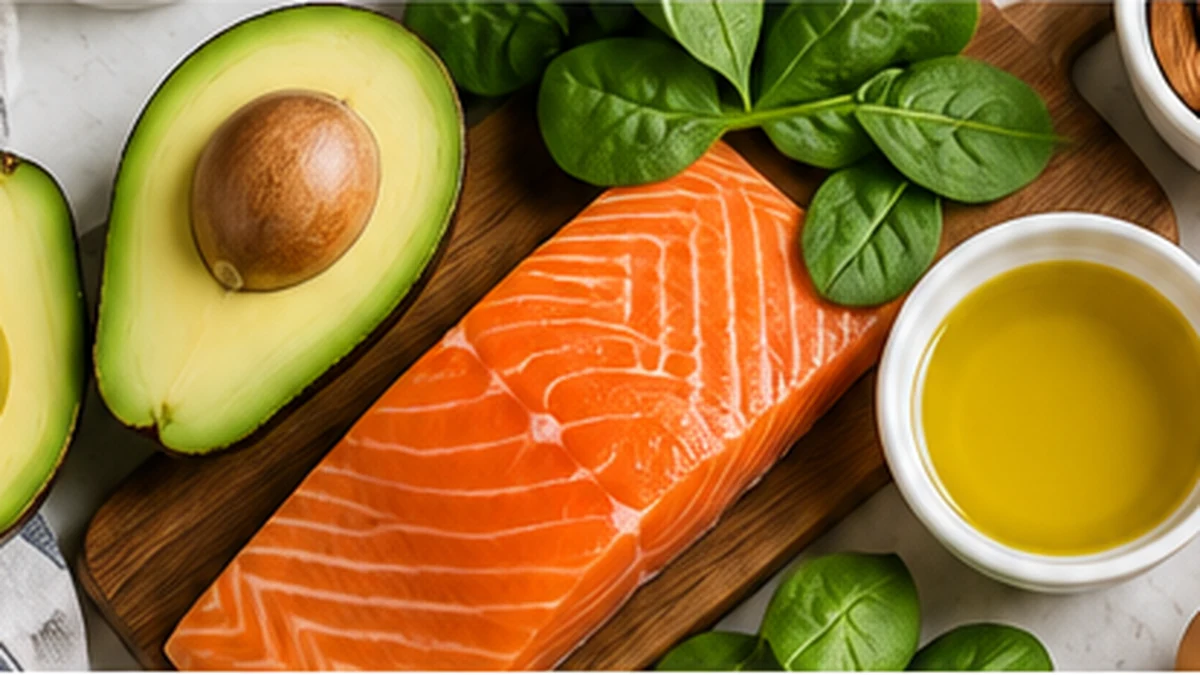
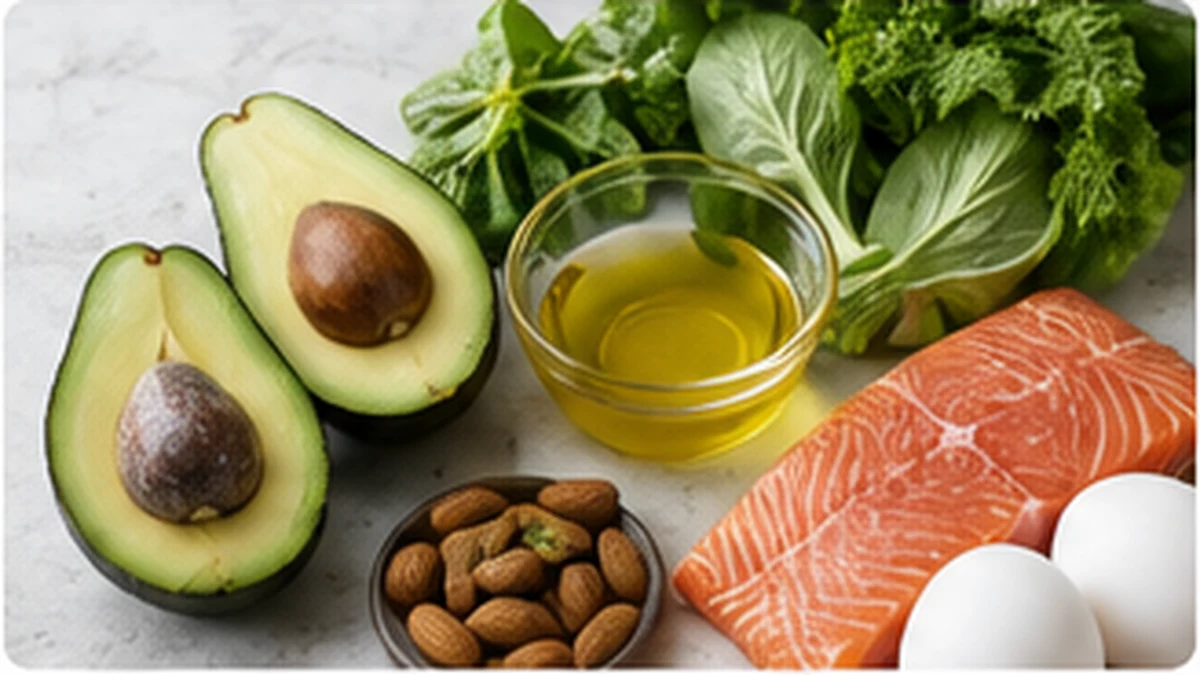
In practical terms, most keto meals are built around a protein food, non-starchy vegetables, and a source of fat. Meat, fish, eggs, tofu, cheese, olive oil, avocado, nuts, seeds, leafy greens, broccoli, zucchini, cauliflower, and similar foods appear often because they contain relatively little carbohydrate per serving. The diet usually limits bread, rice, pasta, cereal, sweets, juice, sugary drinks, and large portions of starchy vegetables or higher-carbohydrate fruit.
Keto is not the same as “eat unlimited bacon, butter, and cheese.” A better-quality version still makes room for vegetables, fish, nuts, seeds, olive oil, avocado, and other foods that add fiber, vitamins, minerals, and unsaturated fats. Harvard specifically notes that nutrient gaps and constipation can become concerns when food variety gets too narrow.
If you want examples of how this looks in regular meals, the site already has practical collections such as keto casserole recipes and keto crock pot recipes. Those pages are useful after you decide the overall eating pattern is appropriate for you.
Before You Start Keto
The most useful first step is not buying specialty products. It is checking whether a very-low-carbohydrate plan makes sense for your health, medicines, budget, and routine. MedlinePlus advises talking with a healthcare professional before starting a low-carbohydrate diet because these diets can reduce fiber intake and can be difficult to maintain long term.
Pay extra attention if you use diabetes medicine
Very-low-carbohydrate eating can change blood glucose and medication needs. People who use insulin, sulfonylureas, SGLT2 inhibitors, or other glucose-lowering medicines should not make large carbohydrate changes without medical guidance. The American Diabetes Association also notes that very-low-carbohydrate eating can be associated with ketone production, and medication management may need to change.
Do not confuse nutritional ketosis with ketoacidosis
Nutritional ketosis from carbohydrate restriction is different from diabetic ketoacidosis, which is a medical emergency. If you have diabetes and develop concerning symptoms such as persistent vomiting, trouble breathing, confusion, severe dehydration, or very high glucose with ketones, seek urgent medical care rather than trying to manage the situation with diet changes.
Decide what you are trying to learn
A useful adult goal is to evaluate whether the pattern is practical and sustainable for you—not to chase the lowest possible carb number. Before changing your diet, write down what matters most: easier meal planning, fewer refined carbohydrates, better control of added sugar, or a structured short-term experiment recommended by your healthcare team. That gives you something meaningful to review after a few weeks.
Keto Diet for Beginners Food List
A simple keto diet for beginners food list starts with foods that make meals satisfying without relying on refined starches. You do not need a cabinet full of products labeled “keto.” In many cases, ordinary grocery-store foods work better.
Protein foods
Fish and seafood such as salmon, tuna, sardines, trout, shrimp, and shellfish.
Chicken, turkey, beef, pork, and other meats prepared without sugary coatings.
Eggs.
Tofu and tempeh, with the carbohydrate amount checked on the label when relevant.
Plain Greek yogurt, cottage cheese, and cheese in portions that fit your plan.
Lower-carbohydrate vegetables
Leafy greens, cabbage, broccoli, cauliflower, zucchini, asparagus, mushrooms, cucumbers, green beans, and peppers.
Brussels sprouts, which contain more carbohydrate than leafy greens but can still fit many lower-carbohydrate meals; see our Brussels sprouts keto guide for serving ideas.
Carrots in measured portions when they fit your overall carbohydrate intake; our carrots and keto guide looks at the carbohydrate numbers in more detail.
Fats and flavor
Olive oil, avocado oil, avocado, olives, nuts, and seeds.
Butter, cream, cheese, coconut products, and higher-fat meats can fit, but relying on them for nearly all of your fat can push saturated fat intake very high.
Herbs, spices, mustard, vinegar, lemon, lime, hot sauce, and unsweetened condiments can make simple meals easier to repeat.
Foods usually limited on keto
Sugary drinks, juice, candy, cookies, cakes, and other foods with large amounts of added sugar.
Bread, tortillas, rice, pasta, cereal, crackers, and most conventional baked goods.
Large portions of potatoes, sweet potatoes, corn, and other starchy vegetables.
Large servings of higher-carbohydrate fruit, dried fruit, sweetened yogurt, and sweetened sauces.
Packaged “keto” foods that still contain enough carbohydrate to disrupt your personal plan.
How to Read Carbs on Food Labels
Start with the Nutrition Facts panel, not the front of the package. Look at the serving size and Total Carbohydrate first. Fiber is listed underneath total carbohydrate. Many keto communities calculate “net carbs” by subtracting fiber from total carbohydrate, but “net carbs” is not a standardized Nutrition Facts line, so packaged-food claims can use different formulas. When a product contains sugar alcohols or specialty sweeteners, read the ingredient list and the full label instead of assuming the front-of-package claim tells the whole story.
Label reading matters most for sauces, dressings, yogurt, nut butters, deli meats, flavored nuts, protein bars, and frozen meals because added sugars and starches can vary widely between brands. For uncomplicated foods such as plain fish, eggs, olive oil, leafy greens, and fresh avocado, the ingredient list is much simpler.
A 7-Day Keto Starter Checklist
This is a planning checklist for adults, not a calorie-restricted meal plan. It is designed to help you organize food and evaluate whether the pattern is manageable without turning the first week into a crash diet.
Day 1: Review health and medication considerations
If you have a medical condition, take prescription medicines, are pregnant, or have a history of disordered eating, talk with a qualified clinician before starting. Decide whether your goal is a medically supervised ketogenic diet or simply a lower-carbohydrate eating pattern, because those are not always the same thing.
Day 2: Build a realistic grocery list
Choose two or three protein foods, four or five vegetables, two fats, and a few simple flavorings. For example: salmon, chicken, eggs, spinach, broccoli, zucchini, asparagus, salad greens, olive oil, avocado, lemon, mustard, and herbs. This keeps the first week practical and reduces the urge to buy expensive specialty products.
Day 3: Practice one simple meal formula
Use a repeatable plate: protein + non-starchy vegetables + a measured fat or sauce. A sheet-pan dinner, skillet meal, or salad with a substantial protein is easier to understand than trying to copy a complicated macro chart. If you like make-ahead meals, use our keto casserole recipes for ideas.
Day 4: Read labels on the foods you actually buy
Check condiments, beverages, dairy products, snack foods, and packaged meals. Compare total carbohydrate per serving and ingredient lists. Do not assume words such as “low sugar,” “no added sugar,” or “keto-friendly” mean the product will fit every very-low-carbohydrate plan.
Day 5: Prep one dinner and one grab-and-go option
Batch cooking makes any eating pattern easier. A slow-cooker meal can cover several servings, while boiled eggs, cheese, vegetables, or leftover protein can simplify lunches. The keto crock pot recipes collection is useful for this step.
Day 6: Plan for snacks, gatherings, and dessert
Think ahead about situations where food choices are less predictable. Our keto appetizers, Parmesan onion ring chips, and chipotle adobo ranch give you examples of lower-carbohydrate party foods. For dessert, choose a recipe with a known ingredient list such as the refreshed keto ice cream bars rather than relying on vague “keto” claims.
Day 7: Review how sustainable the week felt
Look at digestion, energy, food variety, meal-prep burden, cost, and any medical measurements your clinician asked you to track. If the pattern feels too restrictive, that is useful information. A less restrictive lower-carbohydrate pattern may be easier to maintain while still reducing refined carbohydrates and added sugar.
Common Beginner Mistakes
Mistake 1: Turning keto into a meat-and-cheese-only diet
A narrow menu makes fiber and micronutrient intake harder. Keep non-starchy vegetables, nuts, seeds, and other nutrient-dense foods in the rotation unless your medical team has told you otherwise.
Mistake 2: Assuming more fat is always better
Keto is high in fat, but that does not mean you need to add butter or oil to every food. Choose enough fat to make meals satisfying, and emphasize olive oil, avocado, nuts, seeds, and fish regularly instead of treating saturated fat as unlimited.
Mistake 3: Cutting carbohydrates without checking medication
For people who use glucose-lowering medication, a major carbohydrate reduction can change blood-glucose patterns quickly. This is one of the clearest reasons to involve a healthcare professional before starting.
Mistake 4: Chasing ketone numbers
Most people do not need to test blood or urine ketones just to prepare ordinary lower-carbohydrate meals. Testing may be appropriate in specific medical situations, but a higher ketone reading does not automatically mean a diet is healthier or more effective.
Mistake 5: Believing every “keto” product is automatically nutritious
A packaged food can be low in carbohydrate and still be high in sodium, saturated fat, or highly processed ingredients. Use the same label-reading standards you would use for any other food.
What the Evidence Can and Cannot Say
Very-low-carbohydrate diets can help some adults reduce body weight and improve certain blood-glucose and triglyceride measures in the short term, but results vary and adherence often becomes the limiting factor. The American Diabetes Association includes very-low-carbohydrate eating as one evidence-based meal-pattern option for some adults with diabetes, not as the only appropriate pattern.
Long-term questions are more complicated. The Harvard Nutrition Source notes possible concerns such as constipation, nutrient shortfalls, kidney stones, higher uric acid, and difficulty maintaining a very restrictive food pattern. That is why this guide avoids claiming that keto is automatically superior to other balanced eating patterns.
A good decision is one that accounts for your health, preferences, medication, food culture, and ability to eat a varied diet over time. If you decide against keto after reviewing the evidence, that is a valid outcome too.
Simple Keto Salmon, Asparagus, and Avocado
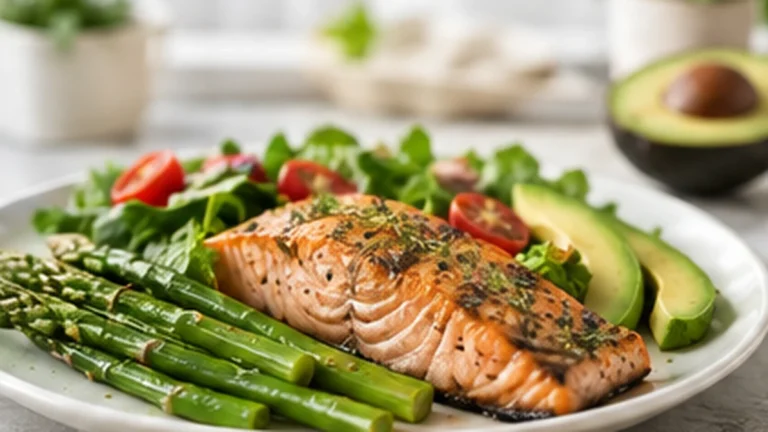
If you want one straightforward meal that illustrates the basic plate formula, this salmon dinner uses fish, asparagus, leafy greens, avocado, lemon, and olive oil. It does not require specialty keto products, and the ingredient list is easy to adjust for four servings.
A simple salmon dinner with roasted asparagus, leafy greens, avocado, lemon, and olive oil. It makes four practical servings without specialty keto products.
Total Time:25 minutes
Yield:4 servings
Ingredients
Scale
4 salmon fillets, about 5 ounces (142 g) each
1 pound asparagus, woody ends trimmed
2 tablespoons extra-virgin olive oil, divided
1/2 teaspoon fine salt, divided
1/4 teaspoon ground black pepper
1 teaspoon garlic powder
1 medium avocado, sliced
4 cups mixed leafy greens
1 lemon, half sliced and half juiced
Instructions
Heat the oven to 425°F. Line a large rimmed sheet pan with parchment paper.
Place the asparagus on the sheet pan. Toss with 1 tablespoon olive oil and about half of the salt, then spread it into a single layer.
Pat the salmon dry and place the fillets beside the asparagus. Brush with the remaining 1 tablespoon olive oil, then season with the remaining salt, black pepper, and garlic powder. Top with the lemon slices.
Roast for 12 to 15 minutes, depending on thickness, until the salmon reaches 145°F in the thickest part and the asparagus is tender.
Divide the leafy greens among four plates. Add the roasted asparagus and one salmon fillet to each plate.
Top each plate with one-quarter of the sliced avocado and a squeeze of fresh lemon juice. Serve immediately.
Notes
Use a food thermometer; USDA lists 145°F as the safe minimum internal temperature for fish.
Nutrition is an estimate based on 5-ounce salmon fillets, one medium avocado, 2 tablespoons olive oil, asparagus, greens, lemon, and 1/2 teaspoon salt.
If you change the salmon size, avocado amount, oil, or seasoning, the nutrition values will change.
Refrigerate cooked leftovers promptly and use within 3 to 4 days.
Author:Adam Moretti
Prep Time:10 minutes
Cook Time:15 minutes
Category:Dinner
Method:Oven
Cuisine:American
Diet:Keto
Why this meal works as a beginner example
The salmon provides protein and naturally occurring fat, the asparagus and greens add vegetables and fiber, and avocado plus olive oil add unsaturated fat. The meal is simple enough to repeat without turning the whole week into a complicated meal-prep project.
Cook salmon to a safe minimum internal temperature of 145°F, measured in the thickest part with a food thermometer, according to the USDA safe temperature chart.
FAQ about Keto Diet for Beginners
How many carbs are usually in a keto diet?
There is no single number that fits everyone. Very-low-carbohydrate patterns often use about 20 to 50 grams of non-fiber carbohydrate per day, but the appropriate amount depends on the person, the medical goal, and the foods being used. A clinician or registered dietitian can help set a target when the diet is being used for a medical reason.
Is keto the same as a low-carb diet?
No. “Low carb” covers a wide range of eating patterns. Keto is at the more restrictive end and is intended to produce nutritional ketosis. Someone can eat fewer refined carbohydrates without following a ketogenic diet.
Is keto a high-protein diet?
Not necessarily. Classical ketogenic diets are high in fat and typically use moderate protein. Many modern lower-carbohydrate diets contain more protein than classical keto, so the label alone does not tell you the exact macro distribution.
Do I need to test ketones?
Most people cooking ordinary lower-carbohydrate meals do not need routine ketone testing. People with diabetes may be told to check ketones in specific situations, especially during illness or high blood glucose, but that is medical monitoring rather than a general diet requirement.
Is keto safe long term?
There is no universal answer. Some adults tolerate very-low-carbohydrate diets, while others find the restrictions, digestive effects, lipid changes, or nutrient limitations difficult. Long-term use should be reviewed with a qualified clinician when medical conditions or medications are involved.
Can teenagers follow this guide?
This article is written for adults. Children and teenagers should not start a ketogenic diet on their own. Pediatric ketogenic diets are used in specific medical settings and require professional supervision.
More Keto Recipes to Explore
A pillar guide is most useful when it leads to specific recipes you can evaluate one at a time. These existing pages cover different parts of the keto recipe cluster:
A useful keto diet for beginners guide should make the tradeoffs clear. Keto can be a structured very-low-carbohydrate option for some adults, but it is not a requirement for healthy eating and it is not a shortcut that guarantees a specific weight or health outcome. Start with whole foods, keep vegetables in the plan, read labels carefully, and involve a healthcare professional when medicines or medical conditions make carbohydrate changes more complex.
If you continue with keto, use this page as the central roadmap and the linked recipe pages for specific meals. If you decide a less restrictive pattern fits you better, the same skills—meal planning, reading labels, eating more minimally processed foods, and cooking at home—still carry over.